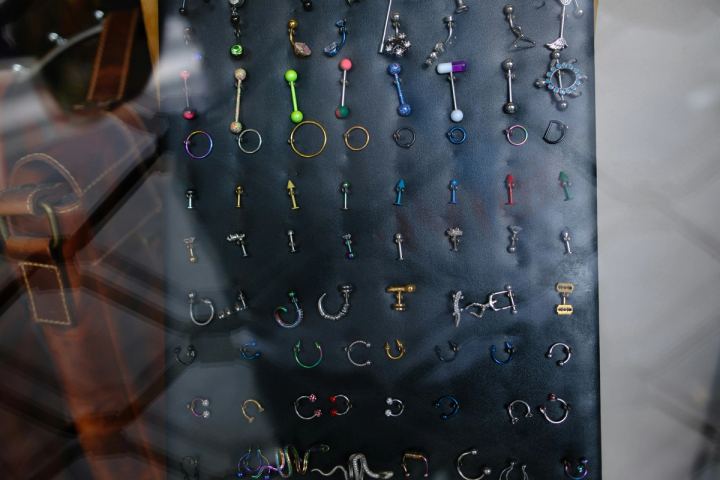
When is a tongue barbell downsize needed?
A qualified piercer may recommend a shorter shaft after initial swelling has settled, according to the individual placement and tissue. Do not use a universal day count or buy a predetermined shorter length. The purpose is to address fit, not to guarantee dental safety.
Understand why initial jewellery may be longer
An initial tongue piercing can swell, and the professionally selected first bar may be long enough to allow for that anticipated change. The visible extra shaft is not necessarily a fitting error at that stage. Once swelling has settled, the same amount of clearance may become unnecessary. Excess movement can increase opportunities for contact with teeth and surrounding structures. The Association of Professional Piercers explains professional downsizing in this context. A review of the tissue and existing fit is needed before choosing another length. Do not use the appearance of a long shaft alone to determine that a change should happen immediately.
Follow the review arranged by the piercer
Your professional piercer can assess the stage of healing, how much swelling remains and whether the current piece has excess movement. Ask when they want to see you again rather than relying on a universal schedule. If the appointment is missed, contact the studio for advice instead of compensating by choosing a shorter piece yourself. A channel can be suitable for a professionally managed fitting adjustment before it is ready for elective jewellery changes. The two decisions should remain separate. A first downsize does not establish that the piercing can now accept any decorative bar listed for that anatomical location.

What a too-short bar may mean
Reducing length too far can make the attachments press against the tongue or leave inadequate clearance if swelling changes. The appearance of a compact piece is not proof of correct fit. If a bar becomes tight or tissue appears to be engulfing an attachment, seek prompt professional or medical assessment as appropriate, rather than trying to force or manipulate the piece. Rapid swelling affecting swallowing or breathing requires emergency medical help. A qualified piercer can evaluate dimensions under ordinary circumstances, but concerning symptoms should not be treated as a routine downsizing appointment or addressed by purchasing another size online.
The Tongue Piercing Jewellery Size Guide explains length, gauge and attachment dimensions.
For an elective change after healing, see When Can You Change Your Tongue Piercing Jewellery? rather than treating a downsize as a sign of full recovery.
What a too-long bar may mean
A longer shaft can move more within an established placement, and the ends may have more opportunity to contact teeth during normal speech or meals. Do not deliberately move the jewellery around to test its range. Explain any repeated contact or catching to the piercer and arrange a dental examination if you are concerned about tooth or gum changes. A professional may determine that an appropriate shorter shaft helps reduce some contact, but it cannot guarantee that damage will not occur. The decision should consider the entire piece, including the dimensions and profile of both attachments, rather than shaft length alone.

Record the new dimensions accurately
After a professional downsize, ask for the final gauge, wearable length, closure, material and attachment sizes. A note that says only shorter bar is not sufficient for future comparisons. Keep a product reference if available and confirm whether another review is recommended. Retailers may offer lengths such as 12mm, 14mm and 16mm, but these options are not a sequence that everyone progresses through. The professional may select a different measurement or decide that no downsize is currently appropriate. Do not buy several lengths and try them in turn. Use the recorded specification to understand suitable replacement options later.
Keep dental assessment part of the plan
The American Dental Association advises against cosmetic oral piercing due to potential harms, including tooth and gum injury. A correctly assessed downsize may address excess movement but cannot establish that the jewellery is safe to retain. If the bar contacts teeth, or you notice sensitivity, a chip or changes in the gums, consult a dentist. Discuss continuing wear and potential removal with appropriate professionals if damage is developing. This guide omits purchase cards because selecting the timing and dimensions is a professional fitting decision. The next useful action is arranging the review, not assuming that the shortest product in a catalogue is the solution.
The Tongue Piercing Jewellery: The Complete Guide sets the question in the broader context of material, fit and oral health.
Frequently asked questions
How many millimetres should I downsize?
There is no universal amount. The professional fitting determines the appropriate length.
Sources and professional guidance
- American Dental Association: oral piercing and jewellery
- Association of Professional Piercers: oral piercing risks
- Association of Professional Piercers: oral aftercare
- Association of Professional Piercers: fitting and downsizing FAQ
- Association of Professional Piercers: initial jewellery
- NHS: infected piercings
Tongue Jewellery Library
Complete guide
Main guides
- Best Tongue Piercing Jewellery
- Best Titanium Tongue Piercing Jewellery
- Tongue Piercing Jewellery Size Guide
- Tongue Piercing Jewellery Types and Styles
Supporting guides
- Best Straight Barbells for Tongue Piercings
- Best Gold Tongue Piercing Jewellery
- Best Black Tongue Piercing Jewellery
- Best Tongue Jewellery for Sensitive Skin
- Best Minimalist Tongue Piercing Jewellery
- Best Decorative Tongue Piercing Jewellery
- Titanium vs Surgical Steel Tongue Barbells
- 12mm vs 14mm vs 16mm Tongue Barbells
- 12G vs 14G Tongue Piercing Jewellery
- Internally vs Externally Threaded Tongue Jewellery
- Tongue Piercing Jewellery and Tooth Damage
- Best Tongue Piercing Retainers
- When Can You Change Your Tongue Piercing Jewellery?