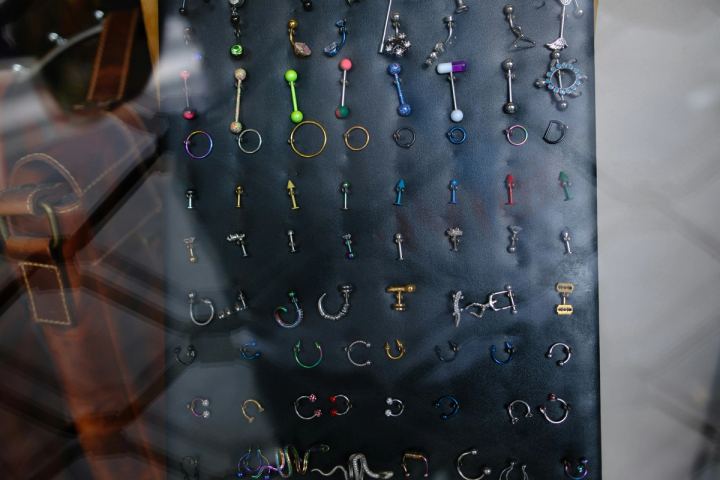
Titanium versus surgical steel tongue barbells
Compare documented material specifications rather than generic labels. Titanium and stainless steel differ in density and composition, but either can damage teeth through physical contact. Ask a qualified piercer about the full construction and a dentist about the risks of retaining oral jewellery.
The labels are not equivalent to grades
Titanium is a material family, while surgical steel is a broad retail expression that does not specify a particular alloy. Professional guidance identifies particular grades such as ASTM F136 titanium and ASTM F138 stainless steel in the appropriate categories. A claim in a product description does not independently establish that the material used meets that standard. Ask for suitable traceable documentation and confirm which parts of the barbell it covers. For an initial piercing, the appropriate jewellery should be selected by a qualified professional. For an established one, use the same distinction between documented specification and a generic marketing term.
Weight and size influence the complete piece
Titanium generally has lower density than stainless steel, so equal volumes of these metals do not weigh the same. Real barbells rarely provide a controlled comparison of equal volume, however. One product might have a broad decorative attachment while another has small round ends. A larger titanium motif may therefore weigh more than a compact steel component. When comparing a complete piece, obtain its actual dimensions and weight if available rather than assuming its material name tells you how it will feel. The profile of the lower end and the length of the shaft remain important even when weight is a consideration.
Alloy composition matters when sensitivity is known
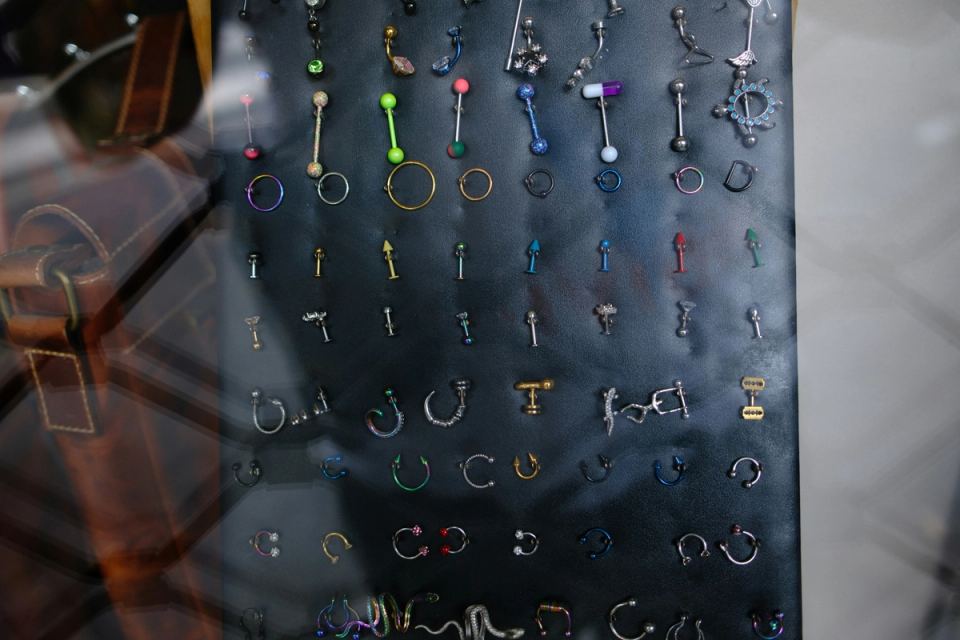
Stainless steel can contain nickel, while particular titanium grades offer different composition. If you have a known metal sensitivity, discuss that with your healthcare professional and piercer and obtain documentation for any proposed replacement. Do not assume every product labelled surgical steel is equivalent, or that every titanium-labelled piece guarantees personal tolerance. A decorative end may introduce another material, and a coating may contact oral tissue. The finished product includes all of these elements, not just the shaft. If you are experiencing irritation now, arrange an assessment before trying to identify the cause by purchasing another metal.
The Best Titanium Tongue Piercing Jewellery explains the evidence behind specific titanium claims.
If sensitivity is the main concern, see Best Tongue Jewellery for Sensitive Skin before assuming an alloy change resolves irritation.
Separate mechanical risk from material choice
A metal can be well documented and still be unsuitable if the jewellery contacts a tooth repeatedly or presses against tissue. Both titanium and stainless steel can contribute to mechanical oral damage. A properly assessed shaft length and suitable end profile may reduce some contact, but do not guarantee prevention. Avoid clicking or biting jewellery and arrange regular dental reviews. The ADA advises against cosmetic oral piercing because of the potential harms. A buying comparison should not imply that changing from steel to titanium, or the reverse, makes wearing a tongue piercing harmless.
Compare the actual feed without overstating the result
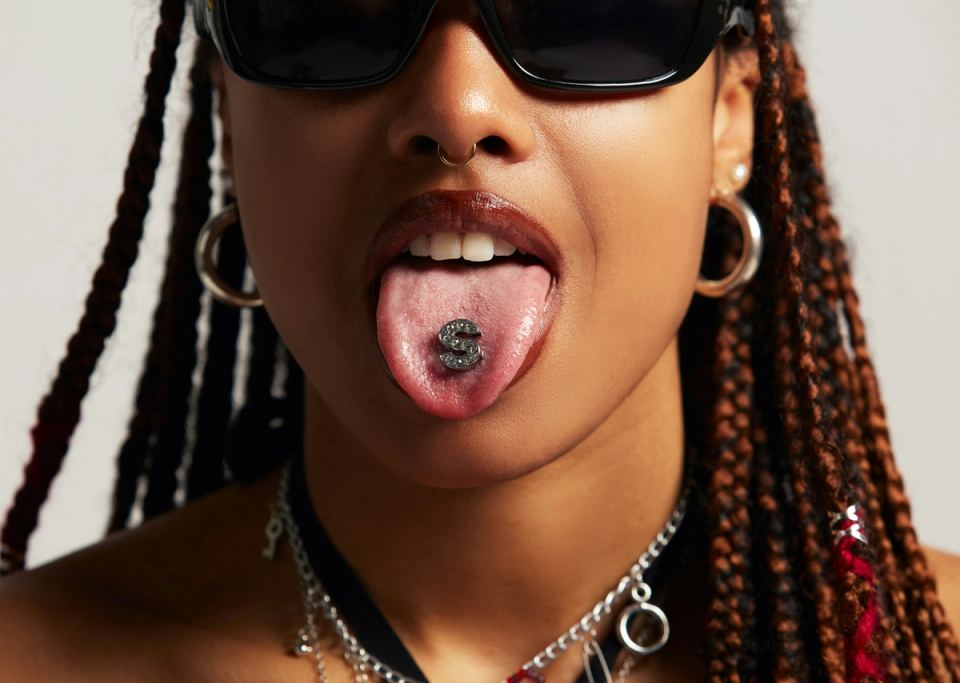
The white flat synthetic opal titanium example carries an ASTM F136 claim, while the butterfly steel example carries an ASTM F138 claim. They differ in shape and decoration as well as advertised material, so they cannot be treated as a controlled head-to-head comparison of weight, fit or dental effects. Neither claim has been independently certified here. The purpose of showing them is to illustrate how a buyer can distinguish specific merchant descriptions from a vague metal label. Confirm the exact variant, documentation and end construction, then have the proposed piece assessed for the established piercing before making a purchase.
Choose according to what has actually been established
Begin with your professional fitting record and shortlist only compatible constructions. Ask suppliers to explain the grade, components and dimensions rather than ranking products by price or metallic colour. If a suitable item is unavailable, obtain a professionally supplied piece instead of buying the closest approximate option. A dentist should assess ongoing contact or changes in the teeth and gums regardless of the metal. If continuing to wear oral jewellery is causing damage, discuss removal rather than assuming another alloy will resolve it. A useful comparison helps you ask better questions; it cannot provide a clinical judgement about your individual mouth.
The Tongue Piercing Jewellery: The Complete Guide sets the question in the broader context of material, fit and oral health.
We may earn a commission through affiliate links. These are catalogue examples, not hands-on tests or safety endorsements. Confirm current stock, price, materials and fitting with the merchant and professionals.
OUFER catalogue examples

OUFER Flat Synthetic Opal Titanium Tongue Barbell - White
Merchant claims ASTM F136 titanium and flat synthetic opal top. The feed link identifies 14G and 16mm; confirm actual dimensions and suitability.
Check price at Oufer
Butterfly Internally Threaded Tongue Barbell
Merchant claims ASTM F138 stainless steel and blue butterfly styling. Shape and alloy warrant professional assessment.
Check price at OuferFrequently asked questions
Is surgical steel a single grade?
No. Ask for the actual specification and documentation.
Sources and professional guidance
- American Dental Association: oral piercing and jewellery
- Association of Professional Piercers: oral piercing risks
- Association of Professional Piercers: oral aftercare
- Association of Professional Piercers: fitting and downsizing FAQ
- Association of Professional Piercers: initial jewellery
- NHS: infected piercings
Tongue Jewellery Library
Complete guide
Main guides
- Best Tongue Piercing Jewellery
- Best Titanium Tongue Piercing Jewellery
- Tongue Piercing Jewellery Size Guide
- Tongue Piercing Jewellery Types and Styles
Supporting guides
- Best Straight Barbells for Tongue Piercings
- Best Gold Tongue Piercing Jewellery
- Best Black Tongue Piercing Jewellery
- Best Tongue Jewellery for Sensitive Skin
- Best Minimalist Tongue Piercing Jewellery
- Best Decorative Tongue Piercing Jewellery
- 12mm vs 14mm vs 16mm Tongue Barbells
- 12G vs 14G Tongue Piercing Jewellery
- Internally vs Externally Threaded Tongue Jewellery
- Tongue Piercing Jewellery and Tooth Damage
- Best Tongue Piercing Retainers
- When Can You Change Your Tongue Piercing Jewellery?
- When Should You Downsize Your Tongue Barbell?