Tongue jewellery and tooth damage
Tongue jewellery can chip or fracture teeth, contribute to enamel wear and damage gums. No material, closure or shorter bar guarantees prevention. The American Dental Association advises against cosmetic oral piercing; an existing wearer should discuss dental contact and potential removal with a dentist.
Understand why oral contact matters
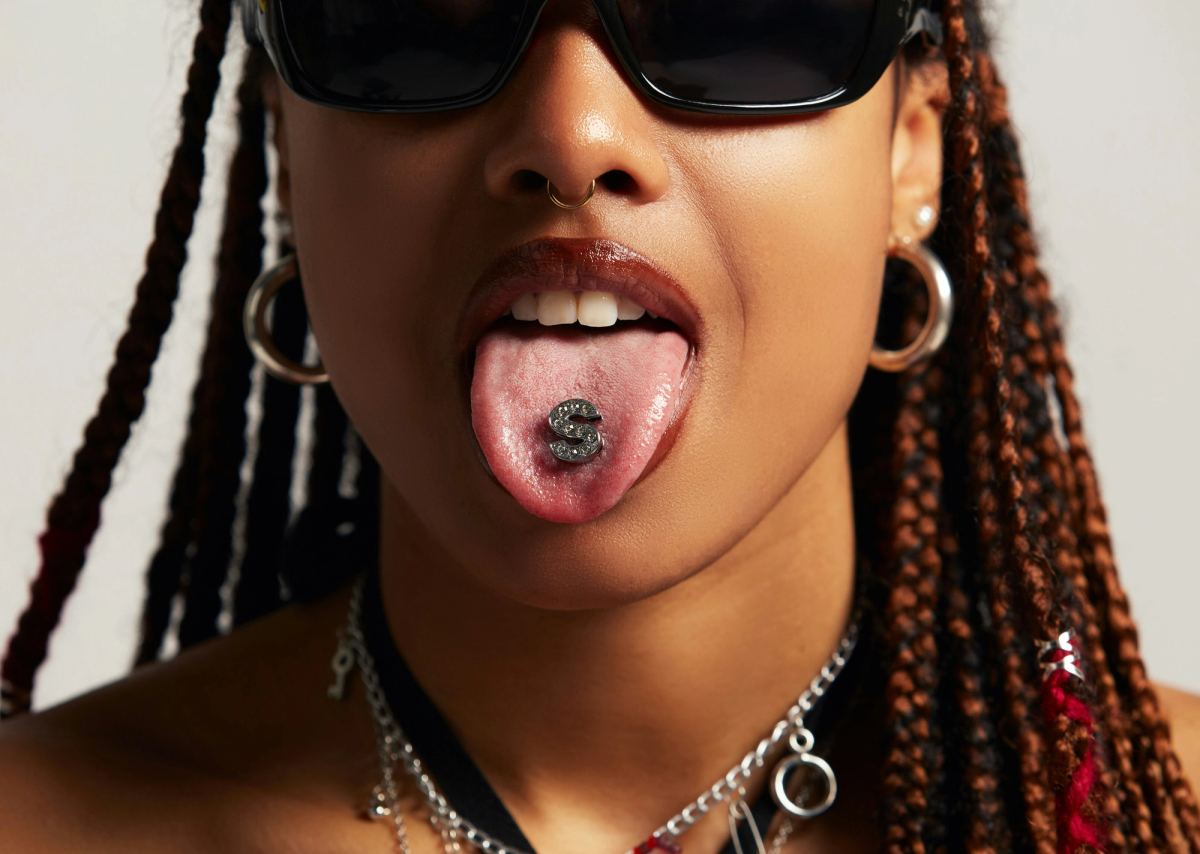
The tongue moves against and around the teeth throughout ordinary speech and eating. A barbell introduces a hard or projecting object into that moving space. Deliberately tapping the end against teeth or biting it increases opportunities for contact, but damage is not limited to those habits. An attachment may strike a tooth unexpectedly during a meal or rest against tissue over time. The ADA describes enamel damage, chipped teeth and periodontal problems among the potential effects of oral jewellery. Do not assume that a comfortable piercing or an absence of immediate pain means that surrounding structures are unaffected.
Different problems need different assessments
A chipped tooth is not the same issue as repeated pressure on gum tissue, and dental sensitivity can have multiple causes. A dentist can examine tooth surfaces, restorations and gums to determine what is happening. A qualified piercer can assess the jewellery's construction and fit, but cannot diagnose dental disease from the bar's appearance. If you have noticed a change since wearing a particular piece, record when it started and which jewellery was in place. Bring the dimensions and product information to the appointment if available. Do not postpone dental care while experimenting with a series of replacement products.
The role and limits of downsizing
The initial shaft may be longer to accommodate anticipated swelling. The Association of Professional Piercers explains that professional downsizing after swelling subsides can reduce excessive movement and contact in oral placements. That does not make any fixed shorter measurement right for everyone. A too-short shaft can create a different problem by pressing into the tongue. Have the current fit assessed, and do not treat a size comparison chart as an instruction to replace it yourself. A properly fitted piece can still contact teeth, so a change in shaft length does not remove the need for dental assessment.
The Tongue Piercing Jewellery Types and Styles compares the profiles that may affect oral contact.
Read When Should You Downsize Your Tongue Barbell? for the limits of professional fitting adjustments.
Why switching to softer-looking jewellery is not a guarantee
Acrylic ends or other non-metallic components are sometimes marketed as alternatives to metal. The visual appearance or presumed softness of a product does not establish that it will prevent tooth damage, be appropriate for oral tissue or remain secure during use. Material documentation, construction, profile and condition still matter. Loose or damaged parts can introduce other concerns, including choking. Titanium and stainless steel likewise cannot be ranked as safe for teeth simply from their names. If a retailer makes a strong claim about protecting your teeth, ask what clinical evidence supports it and discuss the question with a dentist.

Pay attention to changes rather than self-diagnosing
Arrange dental care if you notice a chipped tooth, new sensitivity, gum changes or repeated contact with jewellery. If you suspect infection in the piercing, obtain urgent medical advice rather than attempting to treat it with another bar. Rapid swelling affecting breathing or swallowing requires emergency care. These situations are not shopping problems, which is why this guide does not include affiliate recommendations. An examination is the appropriate way to identify the source of a change and discuss treatment. Avoid repeatedly moving the jewellery around the mouth to see whether you can reproduce a painful sensation.
Make an informed decision about continued wear
The American Dental Association advises against cosmetic oral and perioral piercing due to the potential for negative outcomes. Existing wearers may still value their jewellery, but it is important to understand that a more compact design or a better documented alloy cannot guarantee prevention. Ask your dentist about any evidence of ongoing damage and whether removal should be considered. Discuss the practical implications of removal or professional adjustment with your piercer as appropriate. Maintain regular dental examinations and oral hygiene in accordance with professional advice. Your long-term oral health is a separate consideration from the attractiveness or monetary value of the accessory.
The Tongue Piercing Jewellery: The Complete Guide sets the question in the broader context of material, fit and oral health.
Frequently asked questions
Will a plastic end eliminate dental risk?
No. Seek dental assessment; material alone cannot guarantee protection.
Sources and professional guidance
- American Dental Association: oral piercing and jewellery
- Association of Professional Piercers: oral piercing risks
- Association of Professional Piercers: oral aftercare
- Association of Professional Piercers: fitting and downsizing FAQ
- Association of Professional Piercers: initial jewellery
- NHS: infected piercings
Tongue Jewellery Library
Complete guide
Main guides
- Best Tongue Piercing Jewellery
- Best Titanium Tongue Piercing Jewellery
- Tongue Piercing Jewellery Size Guide
- Tongue Piercing Jewellery Types and Styles
Supporting guides
- Best Straight Barbells for Tongue Piercings
- Best Gold Tongue Piercing Jewellery
- Best Black Tongue Piercing Jewellery
- Best Tongue Jewellery for Sensitive Skin
- Best Minimalist Tongue Piercing Jewellery
- Best Decorative Tongue Piercing Jewellery
- Titanium vs Surgical Steel Tongue Barbells
- 12mm vs 14mm vs 16mm Tongue Barbells
- 12G vs 14G Tongue Piercing Jewellery
- Internally vs Externally Threaded Tongue Jewellery
- Best Tongue Piercing Retainers
- When Can You Change Your Tongue Piercing Jewellery?
- When Should You Downsize Your Tongue Barbell?