Choosing a black tongue barbell
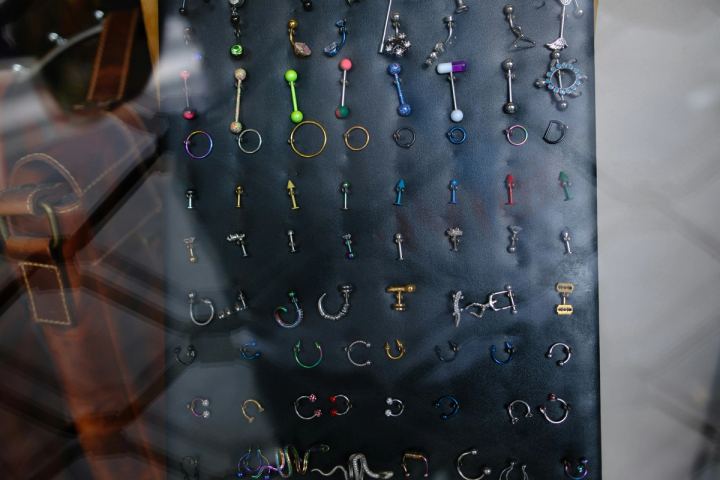
Black describes a visual finish rather than a material standard. A dark surface may be a coating or part of a decorative component. Confirm exactly what touches the mouth and whether the entire piece is appropriate; no verified black metal tongue bar is available in this feed.
A dark finish needs an explanation
A black product photograph can conceal important differences in construction. It might show a dark decorative end on an otherwise metallic shaft, or a treatment covering a larger part of the piece. Neither the colour nor the word titanium establishes how that surface was produced. Ask the manufacturer to identify the underlying material, any coating and the parts that contact tissue. Do not assume black anodising, plating or another treatment is present without documentation. For a piece worn inside the mouth, the condition and suitability of all exposed surfaces matter more than whether its colour matches your other jewellery.
Look at what the feed actually contains
One supplied novelty set is described as five acrylic Y2K tongue barbells with steel shafts and patterned acrylic ends, including black, white and pink styles. That is not equivalent to a documented plain black titanium bar. A product that contains a black decorative pattern also does not establish the material of every component. We have excluded that pack from the recommended purchase cards rather than presenting it as a suitable black metal option. If you want a particular finish, ask a professional supplier for a complete piece that meets the fitting and material requirements, not merely a design whose photograph contains black.

Consider durability inside the mouth
Oral jewellery is exposed to saliva and normal movement during eating and speech. An uncertain surface treatment or a visibly deteriorating component raises questions about continued wear. Ask the supplier how the finish is intended to be maintained and what evidence exists for its intended application. If a piece becomes rough, damaged or loose, arrange professional advice rather than attempting to restore the colour yourself. Paint, household coatings and improvised repairs are not appropriate for jewellery intended for an oral piercing. A dark finish is optional; the need for appropriate construction and a professionally confirmed fit is not.
Use the Best Titanium Tongue Piercing Jewellery to evaluate the base material independently of colour.
For a restrained profile rather than a particular colour, consult Best Minimalist Tongue Piercing Jewellery to understand end dimensions.
Minimalist and graphic designs differ
A plain dark ball can appear visually restrained when the tongue is extended, whereas a contrasting printed motif may attract more attention. The appearance does not tell you how bulky the attachment is. Compare upper and lower end dimensions, projection and edge profile. The photograph may show only the upper end or may enlarge the entire object substantially. If the goal is a compact piece, choose a professionally approved profile rather than selecting a shorter shaft to make the visible ends appear closer together. Shaft length and visual scale are separate considerations, and both must be assessed in the actual placement.
Do not mistake surface colour for reduced dental risk
A dark piece can contact a tooth just as a silver-coloured one can. The American Dental Association advises against cosmetic oral piercing because of the potential for tooth and gum injury and other adverse effects. Do not deliberately click jewellery against your teeth or chew it, and arrange a dental assessment if you notice changes. If you are dissatisfied with the existing fit, ask a qualified piercer to assess it instead of purchasing a different colour on the assumption the problem will disappear. Neither a smooth-looking finish nor a material claim establishes that contact will not occur.
Build a useful shortlist for a professional supplier
Write down the dimensions from your last appropriate fitting, the closure system, the end sizes and the finish you want. Ask the supplier what the dark treatment is and whether there is material documentation for the complete piece. If they cannot answer, compare a well-documented plain alternative instead. A matching dark end from another manufacturer is not necessarily compatible with your current shaft even if its gauge is the same. Keep a record of the final item and professional fitting so that future replacements do not require starting from scratch. Avoid unnecessary changes when tissue is still healing.
The Tongue Piercing Jewellery: The Complete Guide sets the question in the broader context of material, fit and oral health.
Frequently asked questions
Is a black patterned acrylic bar a black titanium bar?
No. The materials and surface construction are distinct.
Sources and professional guidance
- American Dental Association: oral piercing and jewellery
- Association of Professional Piercers: oral piercing risks
- Association of Professional Piercers: oral aftercare
- Association of Professional Piercers: fitting and downsizing FAQ
- Association of Professional Piercers: initial jewellery
- NHS: infected piercings
Tongue Jewellery Library
Complete guide
Main guides
- Best Tongue Piercing Jewellery
- Best Titanium Tongue Piercing Jewellery
- Tongue Piercing Jewellery Size Guide
- Tongue Piercing Jewellery Types and Styles
Supporting guides
- Best Straight Barbells for Tongue Piercings
- Best Gold Tongue Piercing Jewellery
- Best Tongue Jewellery for Sensitive Skin
- Best Minimalist Tongue Piercing Jewellery
- Best Decorative Tongue Piercing Jewellery
- Titanium vs Surgical Steel Tongue Barbells
- 12mm vs 14mm vs 16mm Tongue Barbells
- 12G vs 14G Tongue Piercing Jewellery
- Internally vs Externally Threaded Tongue Jewellery
- Tongue Piercing Jewellery and Tooth Damage
- Best Tongue Piercing Retainers
- When Can You Change Your Tongue Piercing Jewellery?
- When Should You Downsize Your Tongue Barbell?