Minimalist tongue jewellery: reduce the visual profile, not the required fit
A simple shape and modest attachments create a minimalist appearance. Do not reduce shaft length or gauge simply for aesthetics. A professionally assessed low-profile piece may reduce some contact but cannot guarantee protection from dental damage.
Think about the visible top separately
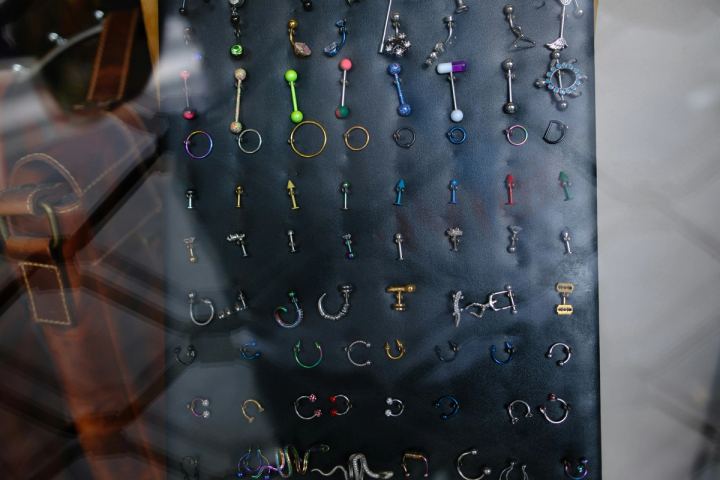
The upper end is the part most often shown in catalogue photographs. A modest round attachment, plain disk or small synthetic opal motif may create a quieter look than a novelty design. The word small can refer to the end diameter, its thickness or the length of the shaft; these are not interchangeable. An item photographed on a white background may appear larger or smaller depending on magnification. Ask for the actual measurements and compare them with the dimensions of your currently suitable piece. The visual effect when the tongue is briefly extended is not the whole experience of wearing it.
Pay attention to the lower end
A product page may give considerable attention to the decorative top while showing very little about the underside. Yet that lower attachment moves close to structures beneath the tongue. The Association of Professional Piercers discusses smaller or lower-profile lower ends as one possible way to reduce contact, subject to fitting. A flatter shape still has width and edge characteristics. Ask a piercer to assess the complete piece, including the underside, rather than choosing an item based solely on a top-down photograph. A design marketed as low profile should not be confused with a clinical assurance that it cannot cause tooth or gum damage.
Maintain the appropriate shaft dimensions
Minimalist styling should not be achieved by inserting a shaft that is too short or changing to a thinner gauge without assessment. A short shaft can press into tissue if it lacks clearance, while a longer piece can have excessive movement. The appropriate fit depends on the condition of the channel. If the present bar was fitted during initial swelling, arrange a professional review of its length rather than using the same measurement indefinitely. Once a suitable established fit is confirmed, you can compare compatible end shapes. The attachment's visual simplicity does not justify changing the dimensions of the part inside the tongue.
The Best Tongue Piercing Jewellery compares everyday purchase criteria.
For the limitations of reducing visible profile, see Tongue Piercing Jewellery and Tooth Damage before deciding that a smaller end is safer.
Compare subtle decorative pieces with plain designs
The OUFER feed offers flat synthetic opal pieces with titanium grade claims. These provide examples of a less angular decorative appearance than dice-shaped ends or a projecting star. They are still decorative settings and require assessment of their complete construction. The feed does not contain a comprehensive range of verified plain ball barbells in different lengths, so there is no fabricated list of minimalist alternatives. A professional jewellery supplier may have a simple compatible piece with more useful dimensional documentation. Prioritise that specification over the need to buy from a particular merchant or complete a matching fashion collection.
Resist unnecessary rotation
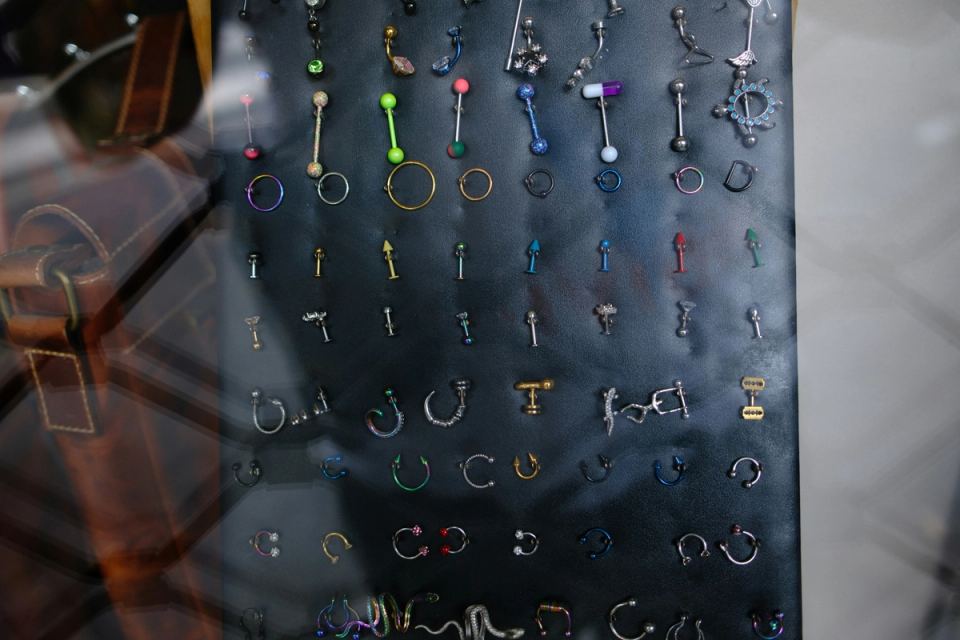
Someone who prefers a minimalist look may only need one appropriately fitted piece and a compatible spare, rather than a collection of styles. Repeated changes are not a requirement for keeping the look fresh. A spare should match the confirmed shaft and closure system; do not assume interchangeable ends from different products fit together. If a closure becomes unreliable or an attachment develops damage, seek professional assessment instead of attempting a repair. Avoid playing with oral jewellery, including deliberately touching it against teeth. A dental check is more useful than judging oral health from the appearance of the jewellery alone.
Remember that less visible is not safer by definition
A discreet tongue piercing may be hidden during ordinary conversation but still contact teeth when you eat, sleep or speak. The ADA advises against cosmetic oral jewellery because of potential harm. If you are choosing a minimalist option because of a workplace rule, check whether any oral jewellery is permitted rather than assuming a subtle shape complies. If the aim is reducing existing dental contact, speak to both a dentist and a qualified piercer before purchasing a new piece. A carefully chosen shape can support a styling preference; the decision to retain an oral piercing involves additional health considerations.
The Tongue Piercing Jewellery: The Complete Guide sets the question in the broader context of material, fit and oral health.
We may earn a commission through affiliate links. These are catalogue examples, not hands-on tests or safety endorsements. Confirm current stock, price, materials and fitting with the merchant and professionals.
OUFER catalogue examples

OUFER Flat Synthetic Opal Titanium Tongue Barbell - White
Merchant claims ASTM F136 titanium and flat synthetic opal top. The feed link identifies 14G and 16mm; confirm actual dimensions and suitability.
Check price at Oufer
OUFER Synthetic Opal Internally Threaded Titanium Tongue Barbell
Listed as internally threaded ASTM F136 titanium with a flat synthetic opal top. No independent material certification or dental safety is established.
Check price at OuferFrequently asked questions
Does minimalist mean shorter?
No. Choose the visible profile without compromising the necessary shaft fit.
Sources and professional guidance
- American Dental Association: oral piercing and jewellery
- Association of Professional Piercers: oral piercing risks
- Association of Professional Piercers: oral aftercare
- Association of Professional Piercers: fitting and downsizing FAQ
- Association of Professional Piercers: initial jewellery
- NHS: infected piercings
Tongue Jewellery Library
Complete guide
Main guides
- Best Tongue Piercing Jewellery
- Best Titanium Tongue Piercing Jewellery
- Tongue Piercing Jewellery Size Guide
- Tongue Piercing Jewellery Types and Styles
Supporting guides
- Best Straight Barbells for Tongue Piercings
- Best Gold Tongue Piercing Jewellery
- Best Black Tongue Piercing Jewellery
- Best Tongue Jewellery for Sensitive Skin
- Best Decorative Tongue Piercing Jewellery
- Titanium vs Surgical Steel Tongue Barbells
- 12mm vs 14mm vs 16mm Tongue Barbells
- 12G vs 14G Tongue Piercing Jewellery
- Internally vs Externally Threaded Tongue Jewellery
- Tongue Piercing Jewellery and Tooth Damage
- Best Tongue Piercing Retainers
- When Can You Change Your Tongue Piercing Jewellery?
- When Should You Downsize Your Tongue Barbell?