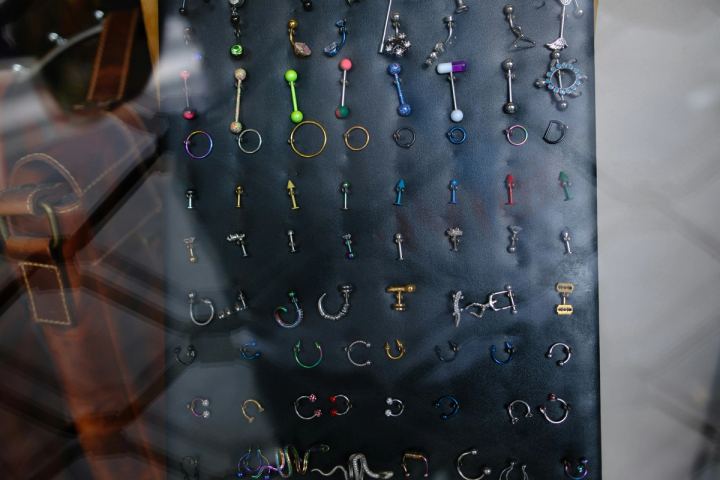
Choosing tongue jewellery starts with oral health
A professionally fitted straight barbell is a common design for an established conventional tongue piercing, but no oral jewellery eliminates dental risk. The American Dental Association advises against cosmetic oral piercings. If you already have one, consult a qualified piercer and dentist before changing the fit, material or shape.
The placement determines the jewellery
Tongue jewellery is not interchangeable with jewellery worn in the eyebrow, ear or lip. The channel runs through moving muscle, and the two ends of a conventional straight barbell sit within the mouth. Each meal, conversation and period of rest changes the relationship between those ends and the surrounding teeth and gums. A piece that looks proportionate in an isolated product photograph can behave quite differently when worn. The shape of the channel and the condition of the tissue matter more than a generic category name. Ask a qualified piercer to identify your existing placement, particularly if it is not a conventional vertical tongue piercing.
Initial length and subsequent fit
The first professionally fitted piece may need extra room for swelling. Once that swelling subsides, a shorter shaft may be appropriate, but the decision belongs to the piercer assessing the tissue. A shaft that is too long can collide with teeth or catch during eating, whereas one that is too short may press into the tongue. There is no single standard length that works for every person. Keep your follow-up appointment and obtain a record of the final gauge, wearable length and closure. The initial piece is not necessarily the right reference for a replacement months later.
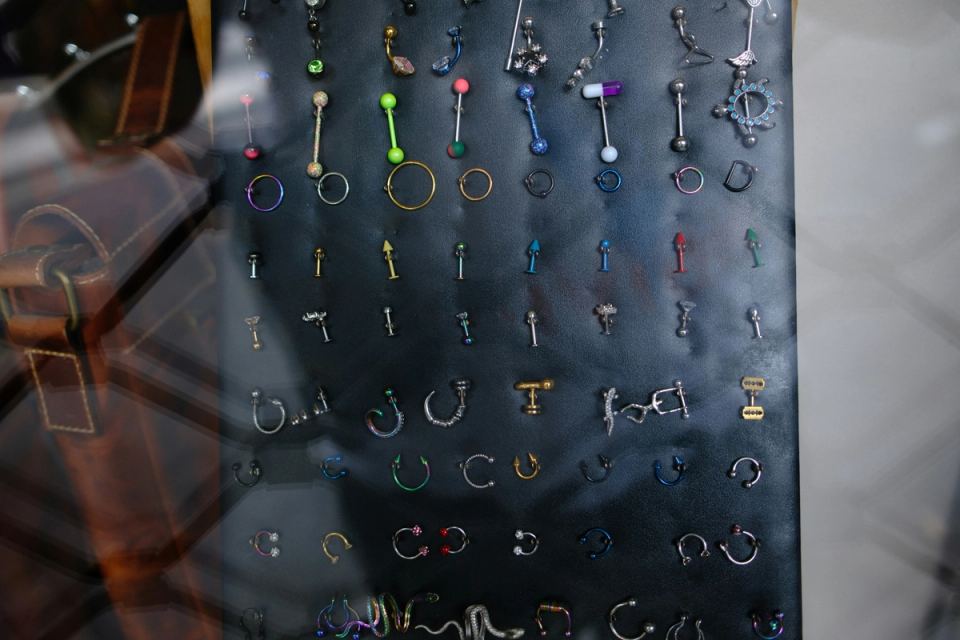
Material is only part of the decision
A product advertised as titanium may be attractive because of its relatively low weight, but the relevant material standard and construction still need to be established. For professional initial jewellery, documented grades and a smooth finish are important. Stainless steel is not a single composition, and colour is not proof of any material at all. The material of both attachments, the shaft and any coating matters. Ask for documentation if the listing is ambiguous; a polished appearance or an advertising claim cannot establish that the whole piece is appropriate. Even documented titanium cannot prevent tooth damage if the jewellery contacts a tooth repeatedly.
For a specification-based shortlist, consult Best Tongue Piercing Jewellery before comparing individual products.
To distinguish material grades and finish claims, read Best Titanium Tongue Piercing Jewellery before ordering a titanium-labelled piece.
If the immediate question is fit, use Tongue Piercing Jewellery Size Guide to understand the dimensions your piercer records.
Compare ends as well as shafts
A plain rounded attachment and a broad decorative heart can differ substantially in the space they occupy. The underside of the tongue is particularly important because an end there may touch the lower oral structures. A professionally approved lower-profile attachment can reduce some contact, but does not eliminate risk. Before ordering decorative jewellery, check width, thickness, corners, connection system and the dimensions of the lower end. A selection of dramatic motifs is not a reason to exchange pieces frequently. Avoid playing with the jewellery or deliberately tapping it on teeth, and discuss persistent contact with a dentist.
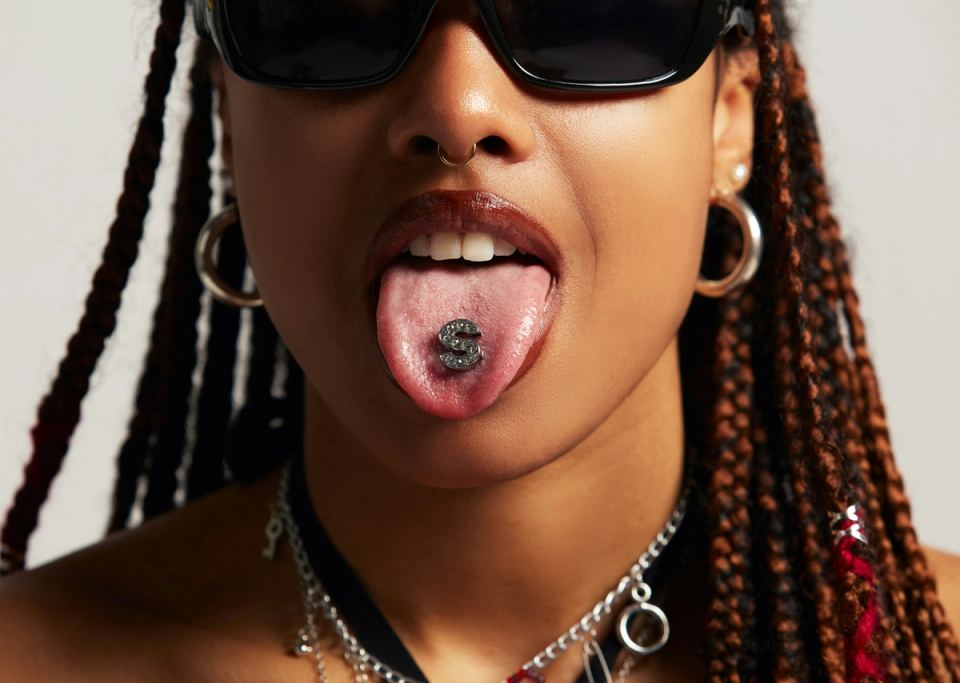
Make a plan for care and follow-up
Keeping jewellery in the mouth involves continuing responsibilities rather than a single purchase. Follow professional oral aftercare guidance, maintain good oral hygiene and attend regular dental examinations. A dentist can inspect for wear, chipped teeth or gum changes that you may not recognise yourself. If you are concerned about an existing piercing, do not treat a catalogue as medical advice. Rapid swelling that interferes with breathing or swallowing requires emergency care; suspected infection needs urgent assessment. Where dental damage is developing, discuss removal with the appropriate professionals instead of expecting a new decorative end to reverse the problem.
A practical way to read this library
Start with the guide that matches your immediate decision. Someone replacing a known bar needs dimensions and closure information, while someone comparing two metals needs documentation about both. If the question is pain, swelling or contact with teeth, pause shopping and seek appropriate advice. The catalogue examples throughout the library are examples of listed construction, not hands-on tests or guarantees of safety. Several styles are not represented in the current merchant feed; those articles explain selection criteria without inventing products. Keeping a written record of your professional fitting can make later comparisons much clearer.
For differences between shapes and closure systems, read Tongue Piercing Jewellery Types and Styles before considering a different design.
For other oral placements, our lip piercing size guide explains how measurements differ by location; it is not a tongue sizing chart.
We may earn a commission through affiliate links. These are catalogue examples, not hands-on tests or safety endorsements. Confirm current stock, price, materials and fitting with the merchant and professionals.
OUFER catalogue examples

OUFER Flat Synthetic Opal Titanium Tongue Barbell - White
Merchant claims ASTM F136 titanium and flat synthetic opal top. The feed link identifies 14G and 16mm; confirm actual dimensions and suitability.
Check price at Oufer
OUFER Synthetic Opal Internally Threaded Titanium Tongue Barbell
Listed as internally threaded ASTM F136 titanium with a flat synthetic opal top. No independent material certification or dental safety is established.
Check price at OuferFrequently asked questions
Can any tongue bar prevent tooth damage?
No. Fit and profile may affect contact but do not eliminate risks. Discuss continuing wear with a dentist.
Sources and professional guidance
- American Dental Association: oral piercing and jewellery
- Association of Professional Piercers: oral piercing risks
- Association of Professional Piercers: oral aftercare
- Association of Professional Piercers: fitting and downsizing FAQ
- Association of Professional Piercers: initial jewellery
- NHS: infected piercings
Tongue Jewellery Library
Complete guide
Main guides
- Best Tongue Piercing Jewellery
- Best Titanium Tongue Piercing Jewellery
- Tongue Piercing Jewellery Size Guide
- Tongue Piercing Jewellery Types and Styles
Supporting guides
- Best Straight Barbells for Tongue Piercings
- Best Gold Tongue Piercing Jewellery
- Best Black Tongue Piercing Jewellery
- Best Tongue Jewellery for Sensitive Skin
- Best Minimalist Tongue Piercing Jewellery
- Best Decorative Tongue Piercing Jewellery
- Titanium vs Surgical Steel Tongue Barbells
- 12mm vs 14mm vs 16mm Tongue Barbells
- 12G vs 14G Tongue Piercing Jewellery
- Internally vs Externally Threaded Tongue Jewellery
- Tongue Piercing Jewellery and Tooth Damage
- Best Tongue Piercing Retainers
- When Can You Change Your Tongue Piercing Jewellery?
- When Should You Downsize Your Tongue Barbell?