
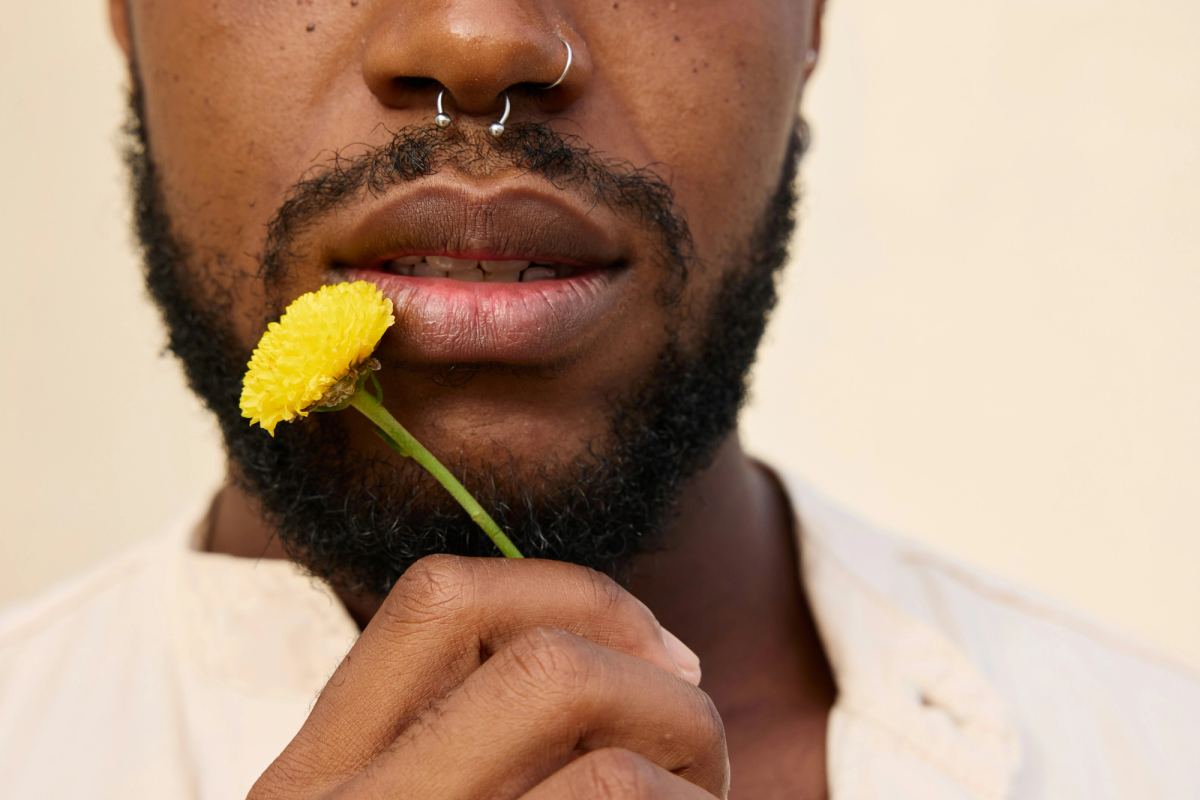
Is a nose ring or stud better?
A stud has a compact external profile; a ring changes the silhouette. Consider healing stage, placement and lifestyle.
Affiliate disclosure: We may earn a commission through these links. Selections are based on Oufer catalogue specifications, not hands-on tests. Prices in USD from the supplied Awin feed; check current price, availability and shipping. These examples are for healed piercings only; confirm fit and material documentation.
Options worth comparing

18G Hinged Segment Titanium Nose Hoop - Silver / 6mm
Plain hinged hoop; merchant specifies ASTM F136 titanium. Check the compact diameter.
$8.79 USD — feed price, subject to change.
Check price at Oufer
Threadless Titanium Flat Back Nose Stud - Clear CZ
20G push-pin flat back; confirm compatible components.
$7.19 USD — feed price, subject to change.
Check price at Oufer| Product | Feed price (USD) |
|---|---|
| 18G Hinged Segment Titanium Nose Hoop - Silver / 6mm | $8.79 |
| Threadless Titanium Flat Back Nose Stud - Clear CZ | $7.19 |
Appearance and movement
A stud concentrates decoration around the hole. A hoop curves around the nostril and may move with facial expressions. Allow adequate clearance.
For the two shapes individually, compare the nose ring buying guide and nose stud guide; each deals with its own fitting dimensions.
Daily habits
Consider glasses, towels, masks, makeup and sports. A protruding stone can snag just as a ring can. A well-fitted low-profile piece is often easier to manage.
Switching styles
Do not use a style comparison to justify changing an unhealed piercing. Once your piercer confirms readiness, measure the new piece and confirm fit.
Making the ring or stud decision
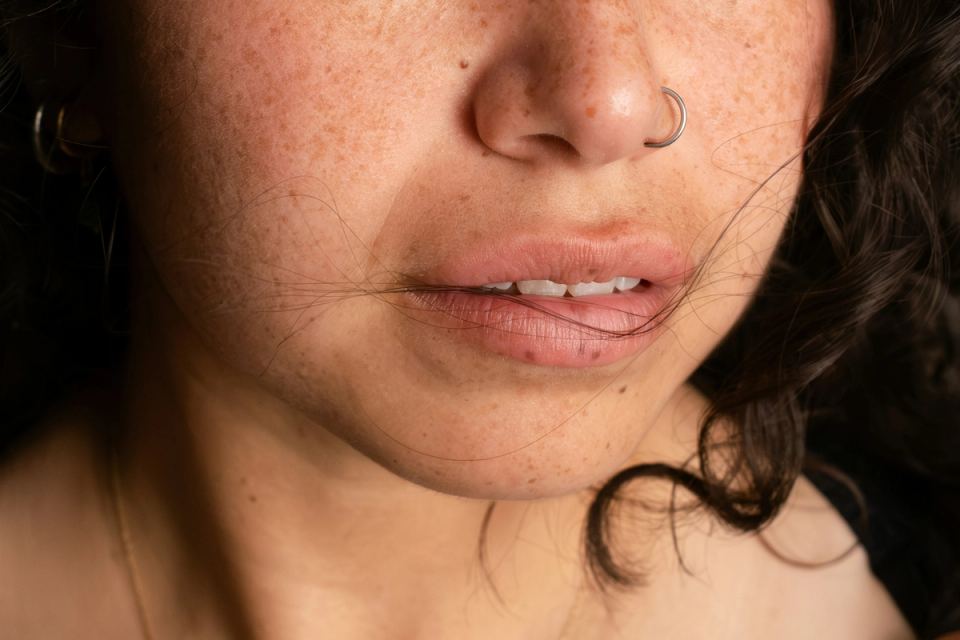
Imagine choosing jewellery for a healed nostril that sits close to the lower edge. A ring can follow that contour, but it still needs enough clearance. A stud can provide a small point of colour without wrapping around the nostril. In a placement farther from the edge, a ring might need a larger diameter to avoid compression, producing a different look. A photograph of another person's piercing cannot tell you the correct diameter. Ask your piercer to measure the actual placement, then compare options that fit those dimensions.

Your routine provides another useful filter. If you frequently wear glasses, wash your face with a towel, use a mask or participate in activities where jewellery may catch, consider both the shape and projection of the piece. A tall stud setting can snag; a broad hoop can also catch. There is no universal winner. Start with a low-profile design compatible with your healed piercing and any workplace or activity requirements. If you want a different silhouette for occasional wear, discuss whether switching is appropriate rather than changing an unhealed piercing for aesthetic reasons.
For a related explanation, see Nose Piercing Size Guide: Gauge, Length and Diameter.
Compare the actual profile rather than the label
A stud with a large stone can project farther from the nostril than a small ring. A ring with a broad decorative front may occupy more space than a plain hoop. The visual category alone therefore does not tell you which will be easiest to wear during everyday activities. Look at side-view photos and confirm the dimensions of the complete piece. A comfortable item should not be chosen simply because another person appears to wear the same style.
If you already own a well-fitting stud and want to switch to a ring, ask a piercer to establish the required inner diameter and confirm healing. Post length cannot be converted directly into hoop diameter because the path of a hoop and the straight usable section of a stud are different measurements. Likewise, a comfortable ring does not establish the post length of a new stud. Keep separate specifications for each compatible design.
Frequently asked questions
Can a ring fit the same gauge as my stud?
Possibly, but gauge does not establish ring diameter or suitability. Have the placement assessed before switching.
Are studs always lower profile?
No. A projecting stone or long post may catch more than a simple ring.
Should I switch styles while healing?
Elective changes should wait until a qualified piercer confirms readiness.
Sources and editorial notes
- Association of Professional Piercers: initial jewellery
- Association of Professional Piercers: healed piercings
- Association of Professional Piercers: aftercare
- Oufer Awin product feed, merchant 91941, supplied November 2026.
Editorial guidance is not individual medical or piercing advice.