
NAVEL JEWELLERY · BUYING GUIDE
Belly Button Piercing Jewellery
The right navel jewellery fits your anatomy, is made from suitable material and matches the healing stage of your piercing. Style comes after fit.
This guide contains affiliate links. We may earn a commission if you purchase through them, at no additional cost to you. Selections are based on the merchant catalogue, not independent product testing. Check current availability, price and specifications at the retailer.
Start with your anatomy
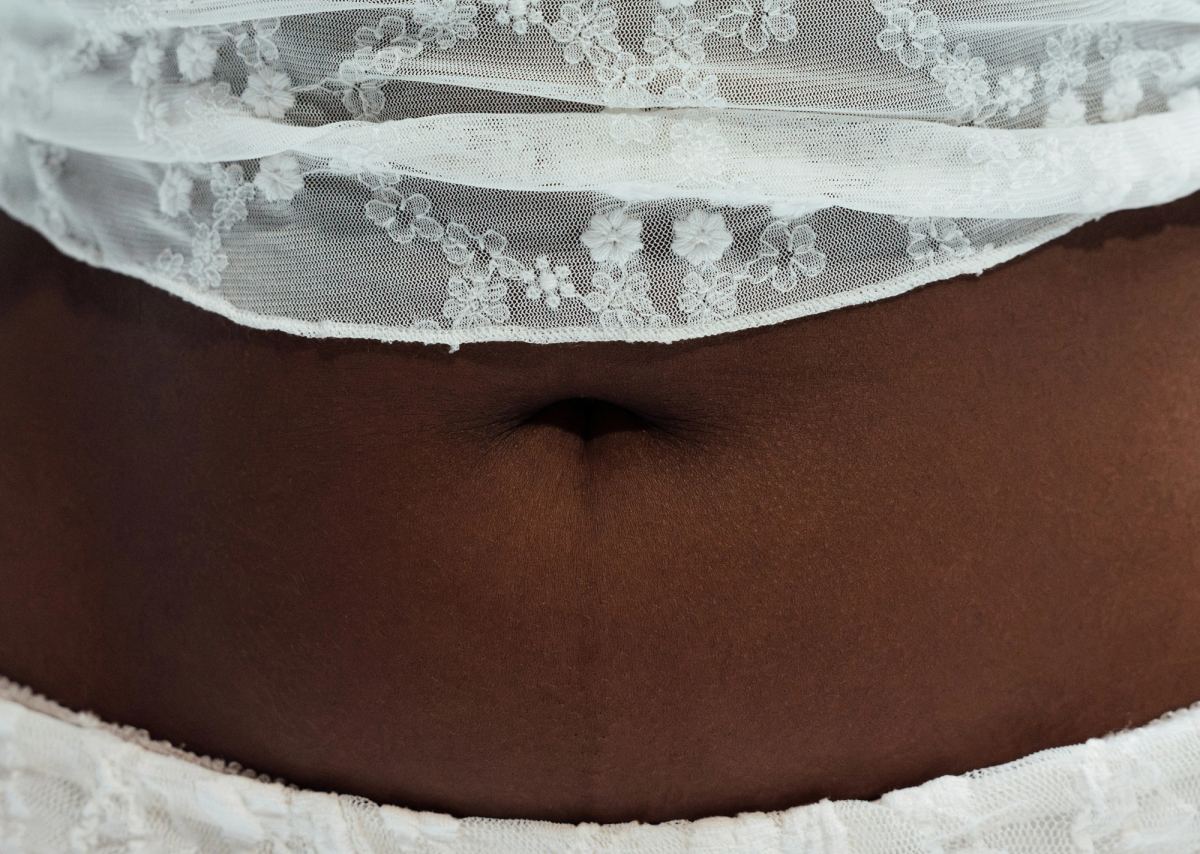
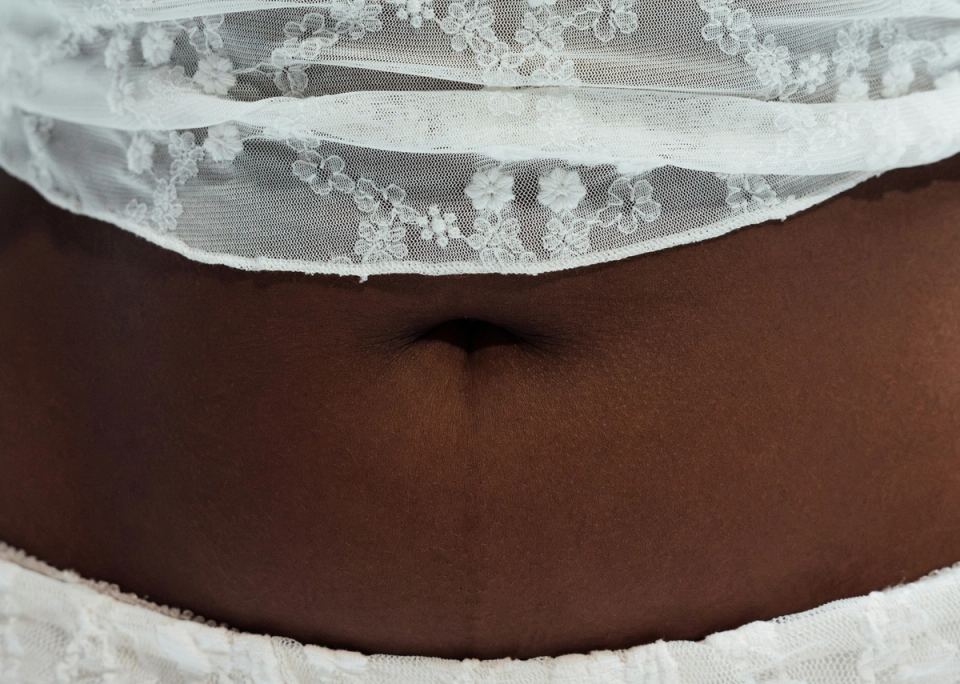
A navel piercing is not simply a hole through the centre of the belly button. The placement depends on the tissue your piercer can safely use. Some people have a defined upper rim with enough room for a decorative lower end; others find that their navel folds inward when they sit. A consultation in both positions helps distinguish these situations.
A traditional curved barbell has an end at each opening. A floating design generally keeps the end inside the navel compact, shifting the visible decoration to the upper opening. Neither design is a universal solution for every navel. A piercer may advise against piercing where the tissue cannot support it.
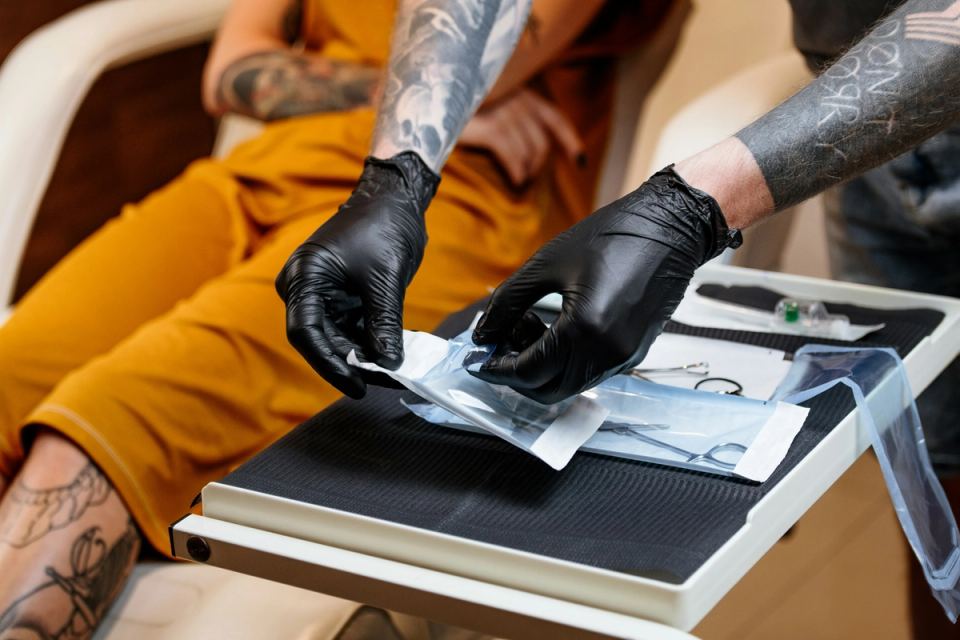
Start by asking what placement suits you, what gauge and wearable length will be used, whether the inner end needs a low profile and when a follow-up is recommended.
| Style | Main feature | What to check |
|---|---|---|
| Traditional curved bar | Two decorative ends | Clearance of lower end |
| Floating | Compact inner end | Profile, length and placement |
| Reverse | Upper decorative focus | Clearance and movement |
| Dangle | Hanging decoration | Fully healed, snag risk |
For a healed conventional placement, compare styles in our belly button ring buying guide, then narrow the options using the navel ring size guide. The gauge and length are independent of decoration.
The main jewellery styles
A simple curved barbell is often a practical option because it has no swinging pendant. Bezel-set or rounded ends can reduce the number of edges that catch clothing. A traditional gem-set bar creates a familiar two-point sparkle. Floating jewellery prioritises clearance at the inner opening. Reverse styles place a larger ornament towards the top. Dangling jewellery adds movement but can catch on a waistband.
These descriptions are about design, not medical suitability. A curved bar can be a poor fit if it is too short, a floating piece can still be bulky, and a beautiful solid-gold design can be unsuitable for a healing channel. Compare the actual shape and dimensions, not just the category name.
If composition is important, the titanium belly button ring guide discusses grade documentation. If your navel compresses when seated, the floating navel jewellery guide explains the different inner-end configuration.
Materials and construction
For a new piercing, ask a professional to select documented implant-compatible materials and smooth finishes. Titanium meeting ASTM F136 or another recognised implant standard is a common option. Some documented implant steel and appropriately alloyed solid gold can be suitable, but a generic material label is not enough. Gold colour is not the same as solid gold. Avoid assuming a coating or a claim such as surgical steel establishes quality.
Internal threading means the screw enters a hollow shaft; threadless jewellery uses a fitted pin. Both can provide a smooth insertion surface when correctly made and fitted. External threading leaves screw threads on the post itself. Ask about the finish, material documentation, removable ends and compatibility with replacement parts.
For a different placement, the ear piercing jewellery guide uses the same fit-first approach but covers separate anatomical requirements.
Sizes are not interchangeable
Gauge measures the thickness of the post, not the width of the jewel. A common navel gauge is 14G, approximately 1.6 mm, but use the gauge recorded by your piercer. Wearable length is the distance between the ends, excluding the decorative balls or gems. A 10 mm bar is not appropriate for every piercing.
A new piercing may need extra room for swelling. A bar intended for a healed channel can be shorter, but replacing the initial jewellery is a professional decision during healing. Decorative end diameter and depth also matter: a large gem can cause pressure even when the bar length is correct.
Healing, daily wear and changing jewellery
Navel piercings can take many months to heal. Looking settled on the outside does not demonstrate that the channel is fully healed. Avoid pressure, repeated handling and unnecessary changes. Follow your piercer’s aftercare advice and arrange a review if the ends sink into tissue, the placement changes or irritation persists. If infection is suspected, obtain medical advice rather than attempting a home jewellery change.
Once the piercing is healed, compare how different jewellery sits during normal movement. Think about work clothing, exercise, sleeping position and whether you regularly wear high-waisted trousers. Save heavy or long decorations for occasions where they will not be pulled or compressed.
Build a small, useful jewellery collection
Rather than buying a large mixed-size multipack, start with a piece that fits and that you would be comfortable wearing on an ordinary day. Add a second design with the same confirmed gauge and appropriate dimensions, then a decorative piece if you want variety. If you have a floating placement, choose designs that preserve the low-profile inner end rather than copying the shape of a traditional ring.
Photographs can help you choose an aesthetic but cannot establish your individual fit. Keep the packaging or product specification for any piece you wear. When buying a gift, let the recipient confirm size and suitability instead of surprising them with jewellery they cannot use.
Personal style without pressure
A belly piercing can be something you enjoy privately or show with an outfit. It does not depend on having a particular body shape. If you are choosing jewellery because you like its design, that is a sufficient reason; you do not have to justify it through someone else’s approval. Equally, a piercing is optional and a temporary accessory may be a better fit for your preferences.
If choosing what to wear brings up questions about how you feel in your body, our sister publication has a broader guide to sexual confidence and body insecurity in relationships. It is about your comfort and choices, not a requirement to alter your appearance.
Selected products to compare
These are exact product variants from Oufer’s enhanced feed. The feed’s availability field is inconsistent, so we do not present any item as currently in stock. These options are for healed piercings or non-pierced use as applicable, not recommendations for initial jewellery.

CZ Internally Threaded Titanium Belly Ring - 10mm
Two round cubic zirconia ends and internal threading. This is the 10 mm option; the retailer specifies ASTM F136 titanium on its product page. Confirm your wearable length and gauge.
Check current price at Oufer
Floating Internally Threaded Titanium Belly Ring - CZ
Floating design with a CZ decorative end. The merchant describes the titanium as ASTM F136 and the closure as internally threaded. Ask your piercer to confirm the lower end and fit.
Check current price at Oufer
14K Solid Gold Internally Threaded Belly Ring - 10mm
Plain 14K solid-gold curved barbell with an internally threaded removable end and a fixed end. This is the 10 mm variant.
Check current price at Oufer
CZ Dangle Titanium Belly Ring - Silver / 10mm
Silver-colour titanium design with three CZ accents and internal threading, in the 10 mm variant. Reserve the dangling decoration for healed piercings.
Check current price at OuferFrequently asked questions
What is a normal belly ring size?
14G (about 1.6 mm) is common, but length and gauge must be confirmed for your piercing.
Is a floating ring always better?
No. It is useful for some anatomies and needs a professional fitting.
Can I wear a dangle every day?
Only consider dangling designs after complete healing; avoid them when they catch or create pressure.
Do I need expensive jewellery?
Appropriate material documentation, finish and fit matter more than price.